
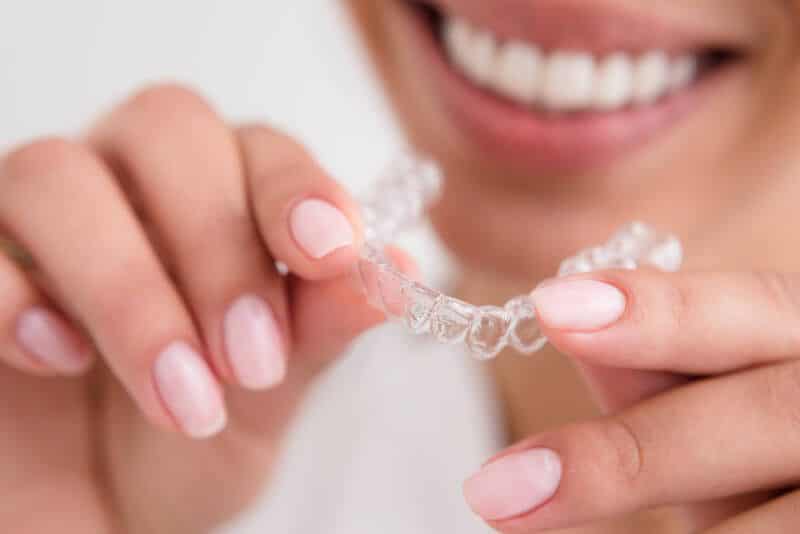
A Discreet, Removable Approach
Clear aligner treatment uses a sequence of custom trays to apply controlled pressure to the teeth. The trays are removable for meals and oral hygiene, but treatment still depends on consistent wear and scheduled professional monitoring.
Dr. Aaron Jeziorski evaluates tooth position, bite, gum health, existing dental work, and your goals before recommending an aligner system. Some movements are well suited to clear trays, while complex bite concerns may require a different orthodontic approach or specialist involvement.
Clear Aligner Options at Acacia Dental
ClearCorrect
ClearCorrect uses a planned series of removable aligners with in-office evaluation and progress visits. Adjustments to the plan may be needed if teeth do not track as expected.
CandidPro
CandidPro combines doctor-directed planning with remote progress scans between office visits. Remote monitoring supports care but does not replace the initial examination or necessary in-person appointments.
The brands use different planning and monitoring systems. Candidacy, timeline, and cost should be compared after a complete evaluation rather than selected from marketing claims alone.
Current offer: $1,000 off Invisalign or ClearCorrect treatment. Eligibility and terms are confirmed at your consultation. Our financial page covers insurance, financing, and the loyalty program.
Who Is a Good Candidate?
Clear aligners tend to work well for adults and teens who have:
- Mild to moderate crowding or spacing
- Teeth that have shifted after earlier braces
- Minor bite concerns that do not require jaw correction
- Healthy gums and bone, with any decay treated first
- All permanent teeth in place
- The discipline to wear trays 20 to 22 hours a day and keep progress appointments
Severe crowding, significant bite discrepancies, or teeth that need to rotate or move vertically a long way may be more predictable with other appliances or a specialist. Dr. Jeziorski will tell you plainly which group you fall into.
What to Expect During Treatment
Consultation and Records
Your consultation includes a dental and alignment evaluation. Records, including a 3Shape digital scan rather than a traditional impression, are collected to design the proposed tooth movements.
Reviewing the Plan
Before beginning, Dr. Jeziorski will review the goals, limits, anticipated sequence, and importance of wearing trays as directed. You will see a digital preview of the planned movement and understand the estimated timeline and cost.
Wearing Your Aligners
During treatment, you move through the prescribed aligner series and complete progress checks. Trays are worn 20 to 22 hours a day, removed only for eating, drinking anything other than water, and brushing. Rinse trays when you take them out, clean them morning and night with a soft brush and clear soap or the cleaning product provided, and never use hot water. Brush and floss before putting trays back in. Our clear aligner aftercare page has the full routine.
Retention
After active movement, retainers help limit unwanted shifting. Retention is a long-term responsibility for every orthodontic approach, and we will explain the wear schedule that fits your case.
What Clear Aligners Can and Cannot Replace
Clear aligners are one way to guide selected tooth movement. They do not replace routine examinations, cleanings, dental images when indicated, treatment of decay or gum inflammation, or evaluation of a painful tooth. Acacia Dental first reviews the health of the teeth and supporting tissues because orthodontic movement should be planned on a stable foundation.
Some concerns may fit general-practice aligner care, while others may be more predictable with different appliances or specialist involvement. The amount of crowding or spacing is only one factor. Bite relationships, existing restorations, missing teeth, prior orthodontic care, and the condition of the gums can also affect the recommendation. The consultation is meant to define that scope honestly before treatment begins.
Living with Removable Aligners
Removability can make meals and oral hygiene more familiar, but it also places daily responsibility on the patient. Wear the trays for the schedule prescribed for your plan, remove and store them as directed, and keep them away from heat or other conditions that could change their shape. Do not advance to another set simply because a calendar date arrives if the office or monitoring instructions tell you to remain in the current set.
Bring questions about travel, lost aligners, dental procedures, or changes in fit to the Acacia team. A tray that feels different from normal treatment pressure, no longer seats as instructed, or is cracked should be reviewed rather than modified at home.
One Overview, Two Acacia Options
This overview connects Acacia's source-backed ClearCorrect and CandidPro pages. Those child pages describe the distinguishing workflows without claiming that one system is best for every smile. Dr. Jeziorski can compare the choices after evaluating your dental health, goals, and the movements that would be required.
Questions, Answered
Clear Aligner FAQs
Are Clear Aligners Right for Everyone?
No. Suitability depends on the type of movement needed, bite, gum and bone support, growth, restorations, and ability to wear the trays consistently.
Can I Eat with Aligners In?
Aligners are generally removed for meals and most beverages. Follow the cleaning and wear instructions provided for your system to reduce staining, damage, and decay risk.
How Long Will Treatment Take?
Timing varies with the movement required and how the teeth respond. Your plan provides an estimate, but progress must be monitored throughout care.
Do Aligners Hurt?
Most patients feel pressure or tenderness for a day or two after switching to a new set of trays, which is a sign the teeth are moving. It is usually mild and manageable with over-the-counter pain relief if needed. Sharp pain, a sore that will not heal, or a tray edge that cuts the gum should be reported so it can be adjusted.
Will Anyone Notice Them?
Aligners are made of thin, clear plastic and are difficult to see in normal conversation. Some plans use small tooth-colored attachments to help guide movement, which are slightly more visible up close. A brief lisp is common during the first few days and usually fades as you adjust.
Do I Need Retainers Afterward?
Yes. Teeth have a natural tendency to drift back toward their original positions, so retainers are part of every plan. Many patients wear them full time at first and nightly after that. Skipping retention is the most common reason a straightened smile shifts again.