A Personalized Approach to Smile Design
A veneer is a thin restoration bonded to the front of a tooth. Veneers may be considered for certain chips, discoloration, wear, uneven contours, or spaces when the teeth and gums are healthy enough to support treatment.
Dr. Aaron Jeziorski will listen to what you would like to change, examine your bite and existing dental work, and discuss whether veneers are a conservative choice. Some concerns may be better addressed with whitening, clear aligners, bonding, a crown, or no treatment at all.
Veneer Options at Acacia Dental
Porcelain Veneers
Traditional porcelain veneers are custom-made in a dental laboratory from records of your prepared teeth. Because a thin layer of enamel is usually removed, they can correct more significant color, shape, and alignment concerns and are designed to look and reflect light much like natural enamel.
Lumineers
Lumineers are an ultra-thin veneer made from a strong ceramic. In suitable cases they can be bonded with little or no enamel removal, which may mean no temporaries and a more reversible approach. They are not the right fit for every concern; heavily discolored teeth or teeth that need significant reshaping may still be better served by conventional veneers.
Snap-On Smile
For patients who want a cosmetic change without any permanent alteration, Snap-On Smile is a removable appliance that fits over existing teeth to cover gaps, stains, or missing teeth. It can also serve as a preview while a longer-term plan is decided.
What to Expect
Consultation and Health Evaluation
Decay, gum inflammation, grinding, or an unstable bite may need attention before cosmetic treatment. The amount of healthy enamel and the forces placed on the teeth also affect the plan. Dr. Jeziorski will explain whether porcelain veneers, Lumineers, or another option best matches your goals.
Shape and Shade Review
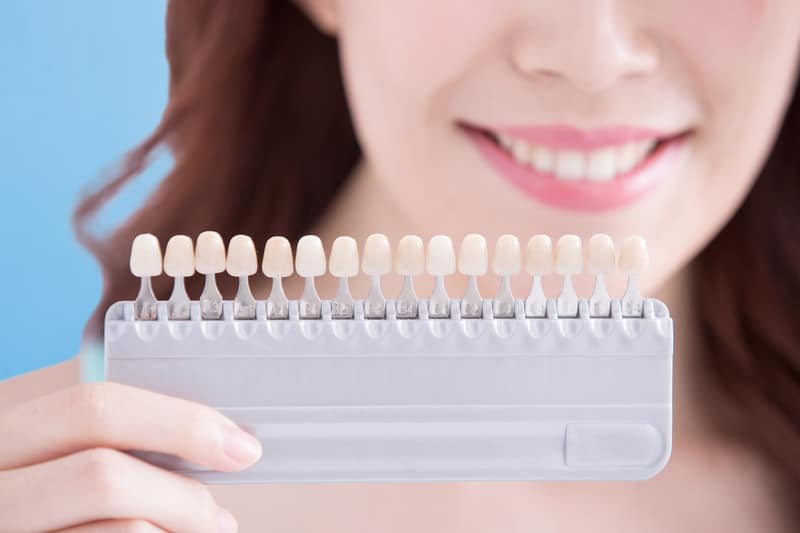
The goal is a result that fits your facial features and surrounding teeth. You can discuss color, contours, and how many teeth would need treatment to create a balanced appearance. If you plan to whiten, that is done first so the veneer shade can be matched to your brighter teeth; new patients are eligible for complimentary whitening under the current practice offer.
Preparation and Temporaries
The exact process depends on the teeth and restoration design. Treatment may involve preparing a limited amount of tooth structure and taking a digital scan with the 3Shape scanner. When laboratory fabrication is needed, temporary restorations protect the teeth in the meantime.
Final Placement
The final veneers are tried in and evaluated for fit, color, and bite before they are bonded. Small adjustments are made at this visit, and a follow-up appointment confirms that the gums and bite have settled comfortably.
Caring for Veneers
Veneers require regular brushing, flossing, professional care, and attention to habits that place excess force on the teeth. A protective nighttime appliance may be recommended for patients who grind or clench, and athletes should wear a custom sports mouthguard.
No cosmetic restoration lasts forever. Longevity varies with the design, bite, habits, oral health, and maintenance. Individual appearance and results also vary.
Deciding Which Teeth Belong in the Plan
Cosmetic concerns often involve the relationship among several teeth rather than one isolated surface. Acacia Dental evaluates the tooth or teeth a patient notices along with symmetry, spacing, gum contours, existing restorations, and the way the bite brings the arches together. That review helps define whether treating a limited number of teeth can produce a balanced plan or whether a different approach should be considered.
Patients are encouraged to describe what they want to change in plain language. A consultation should clarify priorities without assuming that every visible difference requires treatment. The proposed scope, alternatives, permanent tooth preparation, limitations, and expected maintenance should all be understood before proceeding.
Alternatives Within the Cosmetic Family
Whitening may address responsive discoloration without changing tooth shape. Clear aligners may improve selected spacing or position without covering the front of the tooth. A filling or bonding approach may be discussed for a limited defect, while a crown provides broader coverage when a tooth also needs substantial structural support.
These services are not interchangeable, and several should not automatically be combined. The cosmetic dentistry overview links Acacia's veneers, professional whitening, and clear-aligner families so patients can understand the different problems each is intended to address.
Protecting the Result and Natural Teeth
The edges around veneers require careful daily cleaning and professional review. Gum inflammation, decay at exposed tooth areas, grinding forces, accidental impact, and biting hard non-food objects can affect the natural teeth or restorations. If Dr. Jeziorski recommends a nighttime appliance, use and maintain it according to the instructions supplied for your case.
Call the office if a veneer feels loose, chips, changes the bite, or is followed by unexpected sensitivity. Do not use household adhesive or attempt to smooth the porcelain yourself. The team needs to evaluate both the restoration and the tooth beneath it before choosing a repair or replacement.
Questions, Answered
Porcelain Veneer FAQs
Are Veneers Reversible?
Veneer treatment often involves permanent alteration of tooth structure, so it should be considered carefully. Dr. Jeziorski will explain the proposed preparation before you decide.
Will Veneers Look Natural?
The shape, shade, translucency, and relationship to nearby teeth all influence the appearance. Planning focuses on a balanced result, but no specific outcome can be guaranteed.
Can Veneers Whiten Later?
Whitening products do not lighten porcelain. If whitening is part of the plan, it is commonly discussed before the final veneer shade is selected.
How Long Do Veneers Last?
Porcelain veneers commonly serve for many years, but there is no fixed lifespan. Bite forces, grinding, oral hygiene, gum health, and habits such as biting nails or ice all affect how long they hold up. Regular exams let us catch a chipped edge or a gum change early, and a night guard protects the investment for patients who clench.
How Many Teeth Need Veneers?
That depends on what you want to change and how your smile shows when you speak and laugh. Some patients treat a single chipped tooth; others treat the six to ten teeth visible in a full smile so color and shape stay consistent. Dr. Jeziorski will show you the options and explain when treating fewer teeth, or combining a veneer with whitening of the neighbors, can achieve a balanced result.