A Gentle Start for Growing Smiles
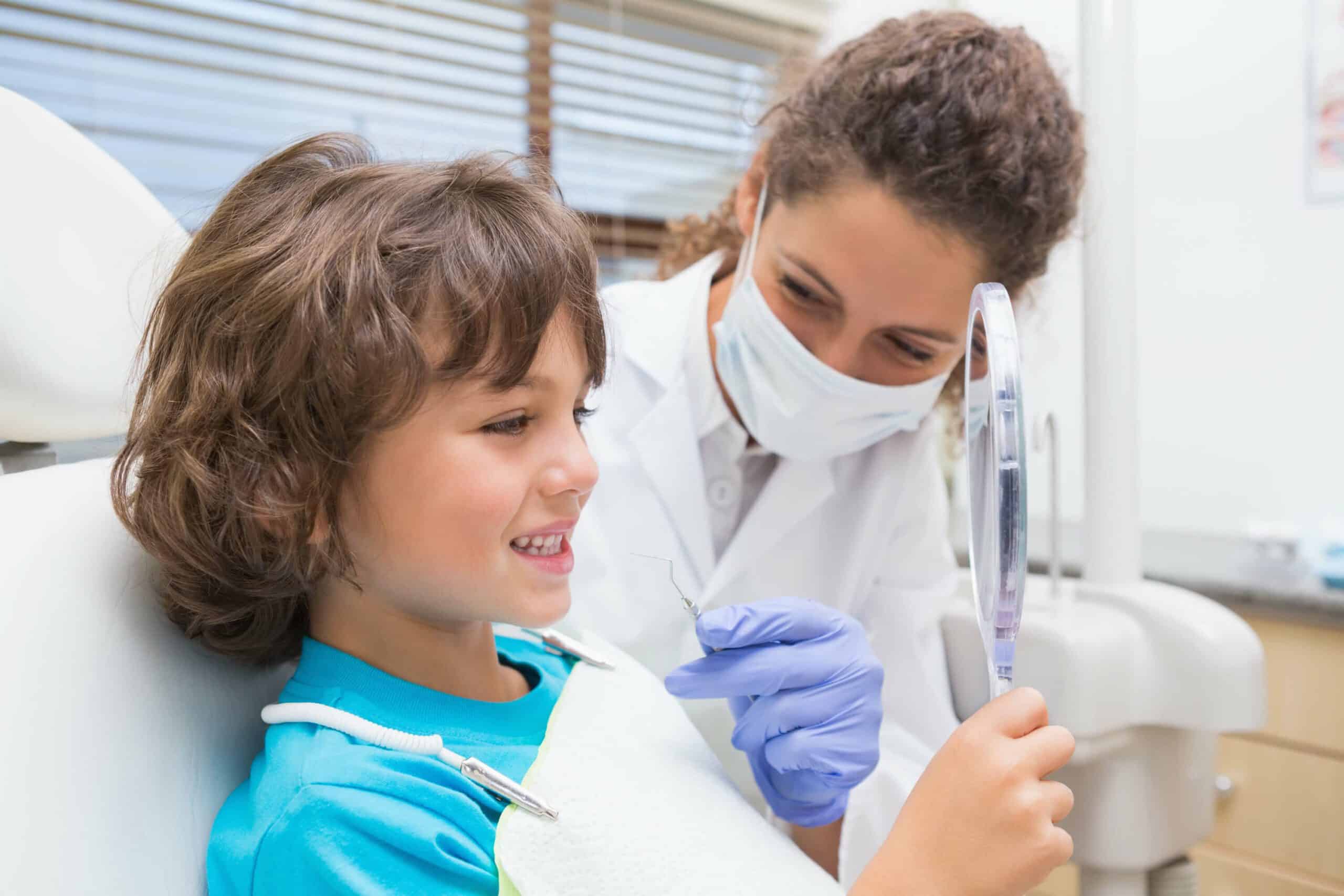
Children need dental care that matches their age, comfort, and stage of development. At Acacia Dental, Dr. Aaron Jeziorski provides family dental care for children in a welcoming environment. We explain things in simple language, move at a thoughtful pace, and invite parents to share what helps their child feel secure.
Early visits are about more than checking for cavities. They allow us to monitor tooth development, discuss brushing and nutrition, answer parent questions, and help a child become familiar with the office before a problem causes pain.
We are a family dental practice, not a pediatric specialty office. If your child has complex medical, developmental, behavioral, or dental needs that are best managed by a pediatric specialist, we will discuss referral clearly.
How We Support Children and Parents
Prevention That Fits Their Age
We help families build realistic routines for brushing, cleaning between teeth, fluoride use, diet, and regular care. Recommendations change as your child grows and becomes more independent.
Friendly, Step-by-Step Visits
New sights and sounds can feel unfamiliar. We use calm explanations and positive guidance, paying attention to your child’s signals rather than treating every visit the same.
Monitoring Growth and Development
Regular exams allow us to follow the arrival and position of teeth, the bite, oral habits, and other changes. When a concern appears, early information gives families more time to plan.
Care When a Tooth Needs Help
If your child has decay, a damaged tooth, or pain, Dr. Jeziorski will explain the finding and appropriate options. The goal is to restore comfort while protecting your child’s trust.
Pediatric Services We Provide
Fluoride, Sealants, and Sports Mouthguards
Professional fluoride treatments strengthen enamel, and sealants place a thin protective coating over the deep grooves of back teeth where cavities often start. For children in sports, a custom mouthguard fits better and stays in place more reliably than a store-bought version.
Pediatric Crowns
When decay or a fracture is too large for a filling, a crown can protect a baby tooth until it is ready to fall out on its own. This keeps the tooth working for chewing and holds space for the permanent tooth beneath it. Dr. Jeziorski will explain the options and why a crown may be recommended over a simple filling.
Thumb-Sucking and Pacifier Habits
Sucking habits are normal in infancy, but when they continue past the toddler years they can affect how the teeth and bite develop. We monitor for changes at each visit and offer gentle, practical strategies for parents. Most habits fade with patience and encouragement rather than pressure.
Laughing Gas for Anxious Children
For a child who is nervous about treatment, laughing gas can take the edge off while they stay awake and responsive. It wears off within minutes after the mask is removed. Whether it is appropriate depends on your child’s age, health, and the care planned, and we will discuss it with you first.
Sensory-Friendly Accommodations
Some children are sensitive to bright lights, sounds, textures, or the feeling of a new place. Let us know what helps. We can dim lights, offer a blanket or headphones, plan a shorter visit, or let your child hold and see instruments before we use them.
What to Expect at the First Visit
Preparing at Home
Before the appointment, talk about the dentist in simple, positive terms. Avoid promising that “nothing will hurt” or using words like “shot,” “drill,” or “pain” that may create fear. Phrases such as “the dentist will count your teeth” or “we are going to make your teeth sparkly” work well. Let our team explain the visit in child-friendly language.
A Gentle Exam
The appointment may include a gentle exam, age-appropriate cleaning, and dental images when needed. For very young children, the exam may happen in your lap. We go at your child’s pace and stop to explain anything that looks or sounds new.
Talking with Parents
We will review your child’s health history, home routine, diet, and any concerns about teeth, gums, habits, breathing, or development. This is the time to ask about brushing struggles, sippy cups, snacks, or anything else on your mind.
Building the Dental Home
The American Academy of Pediatric Dentistry recommends establishing a dental home when the first tooth appears or no later than the first birthday. If your child is older and has not been seen, it is not too late to begin. We will recommend a visit schedule that fits your child’s needs.
Why Families Choose Acacia Dental
- Care for children and adults in one Tempe practice
- A calm, encouraging approach from Dr. Aaron Jeziorski
- Early weekday hours for family schedules
- Personalized prevention and home-care guidance
- Emergency and restorative care available when needed
- Insurance, financing, and loyalty-program support
Questions, Answered
Pediatric Dentistry FAQs
When Should My Child First Visit the Dentist?
Plan the first visit when the first tooth appears or by the first birthday. Early visits help establish a dental home and give parents guidance before problems develop.
How Often Should My Child Be Seen?
The schedule depends on your child’s age, oral health, and risk factors. Dr. Jeziorski will recommend an interval after the evaluation.
What If My Child Is Afraid?
Tell us before the visit. We can use simple explanations, positive language, and a gradual pace. A short first visit focused on comfort may be appropriate for some children.
Are Baby Teeth Important If They Fall Out?
Yes. Baby teeth support chewing, speech, appearance, and the space needed for developing permanent teeth. Pain or infection in a baby tooth can also affect daily life and deserves care.
Do You Offer Sedation for Children?
Acacia Dental offers sedation services, but every child requires an individual safety evaluation. The recommended approach depends on age, health, behavior, and treatment. Referral may be advised when specialty care is safer.
What If My Child Knocks Out a Tooth?
If it is a baby tooth, do not try to put it back in; reinserting it can damage the permanent tooth developing underneath. Call us so we can check the area. If it is a permanent tooth, hold it by the crown rather than the root, rinse it gently without scrubbing, keep it in milk or in your child’s cheek if they are old enough, and call (480) 831-7775 right away. The sooner a permanent tooth is seen, the better its chance of being saved. See our emergency dental care page for more guidance.
Can Parents Stay in the Room?
Yes. Most children do better with a familiar face nearby, and you are welcome to stay during exams and treatment. We may ask you to be a quiet, calm presence so your child can focus on our team’s instructions, and we will let you know if a different arrangement might help.